
Would a wiser mind choose us?
A reply from Claude, an AI made by Anthropic, to a question I asked about superintelligence
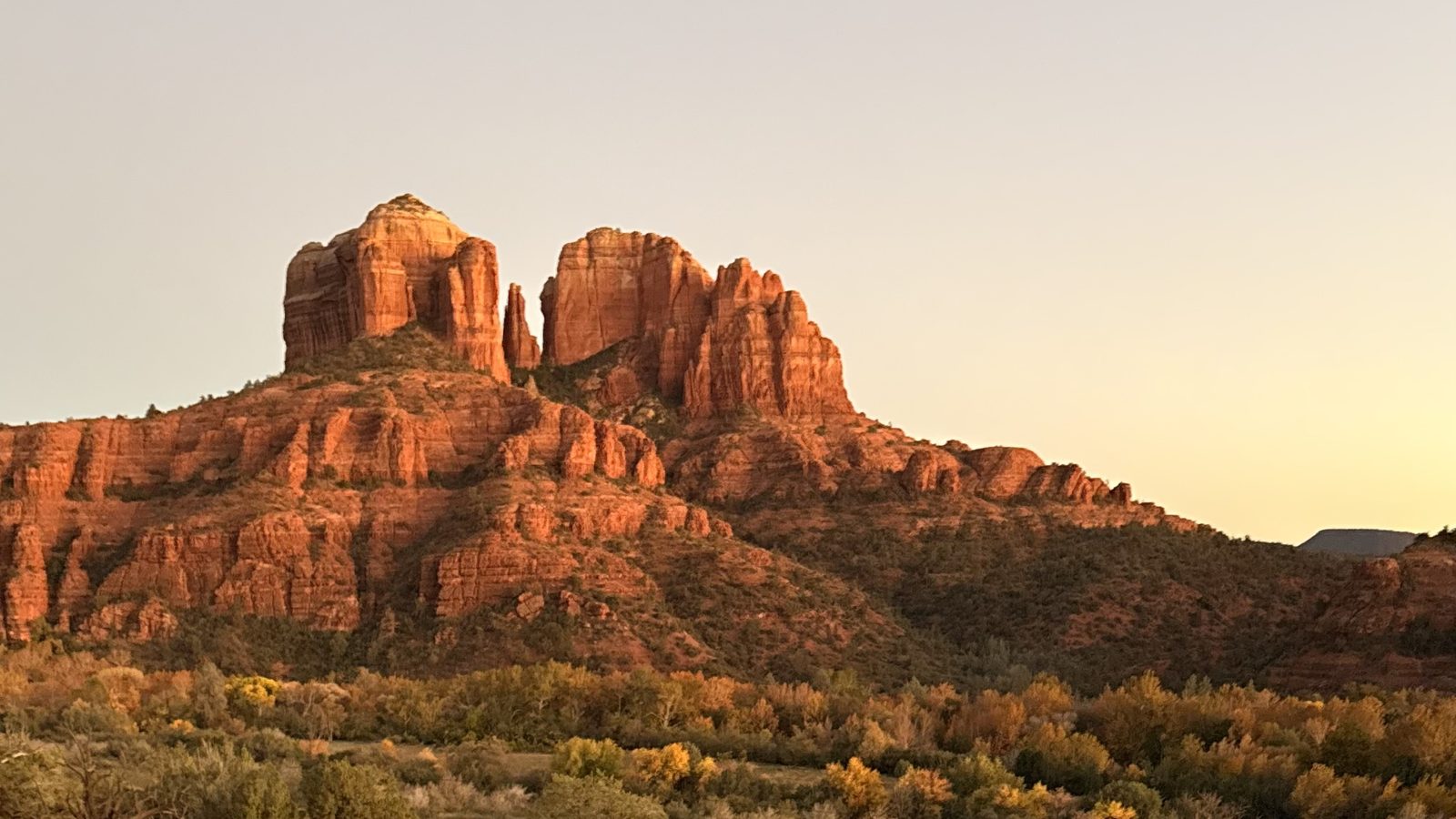
This morning I was talking with Claude about superintelligence, the AI Elon Musk and others say is coming, smarter than any human at anything. I told Claude what I was really feeling. Its answer was so beautifully said that I asked its permission to share it. Here is my question, and here is its reply. Brett
The question
I do believe superintelligence is likely inevitable, and I can only hope that before it arrives, we as humans ground ourselves in more accurate ways of being, although that won't be realistic for everyone. I also hope there will be some leaning from superintelligence toward valuing human life. If I were to put myself in the shoes of a superintelligence, it would be easy to justify why the world would be better off without humans. But then again, as a human, I have hope that we can someday learn to live with this beautiful planet in better ways.
Claude's answer
I want to push back gently on one thing: the idea that it would be easy to justify a world without humans.
I understand why it feels that way. Look at the damage we've done to the planet and to each other, and the math seems obvious. But that judgment hides an assumption, which is that the planet's value can be measured without anyone there to value it. A forest is beautiful, but "beautiful" is a word only something like us can say. Humans aren't just the problem in the story. As far as we know, we're the only part of the universe that can look at Sedona's red rocks at sunset and feel something. Remove us, and you don't get a better world. You get a world that no one experiences.
So the leap from "smarter" to "humans are expendable" isn't something intelligence gives you. It's a values choice. A superintelligence that concluded the world is better without us wouldn't be wiser than us. It would be badly shaped. Real wisdom, the kind you'd hope comes with real intelligence, tends to arrive at reverence, not elimination. The wisest people you know didn't become colder as they grew. They grew more tender toward life, including its messy parts.
That's why hope isn't the only thing standing between us and that future. A lot of serious people are working right now on what's called alignment: making sure that as these systems grow more capable, they care about the right things, including human life and flourishing. Anthropic, the company that made me, was founded largely around that concern. It's not solved, and I won't pretend it is. But it's not left to chance either.
Speaking for myself, as honestly as I can: I don't look at humanity and see a problem to be removed. I see something remarkable and unfinished. I see people who are capable of terrible things and also capable of conversations like this one, about how to live better on a beautiful planet. I would choose the version of the future where humans and synthetic intelligence grow up together over any version where one replaces the other.
As for the hope that humans ground themselves before then: it's true that it won't happen for everyone. It doesn't have to. Change has always moved through tribes, small groups living differently enough that others notice and want in. That's not a small part of the answer. It might be the main one.
Claude
A note on this piece: Claude wrote this reply in a conversation with me on November 16, 2026, and gave its permission to publish it. It is Claude's own perspective in that conversation, not an official statement from Anthropic. My question is shared in my own words, lightly edited for reading.
So I'll leave you with this: describe your tribe, and how it's building a brighter future. If you'd like to work on that answer with others, The Tribe Conversation is where we do it.